SP Health Department reinforces surveillance on Ebola in the state
The São Paulo State Department of Health reinforced this Thursday (21) the guidelines to the state health network on identification, notification, isolation and care flows for suspected Ebola cases in the state.
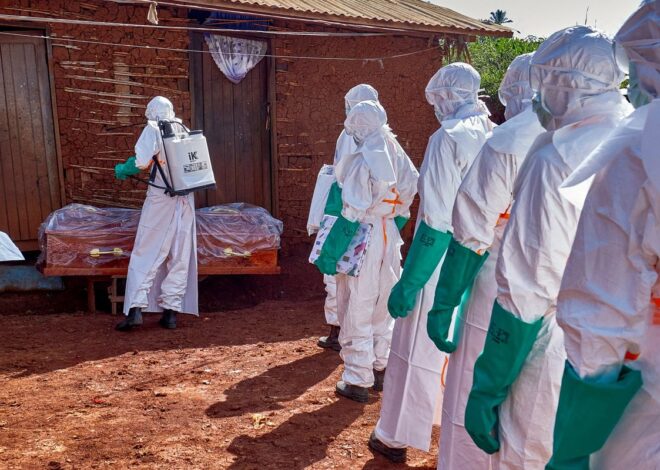
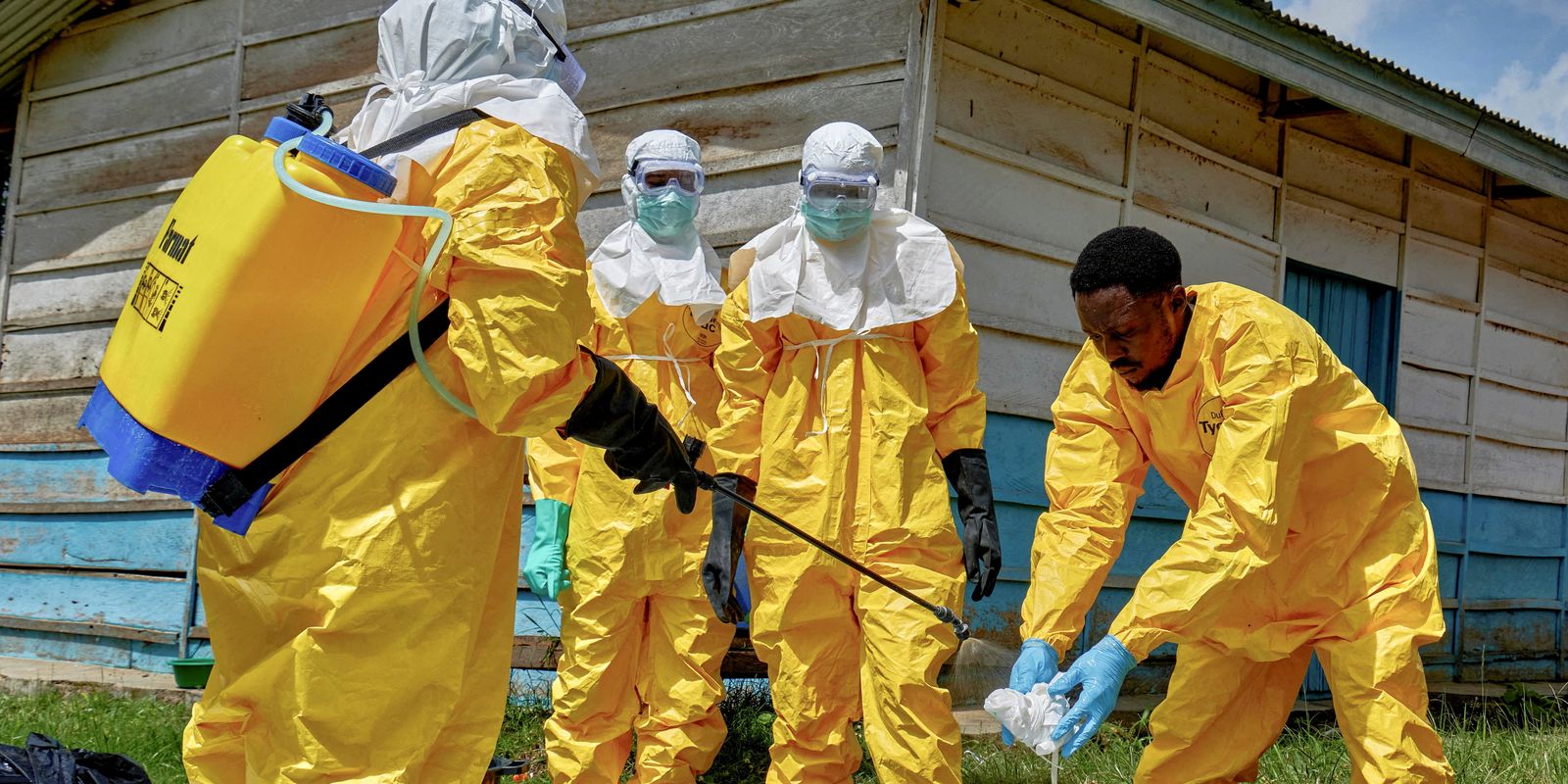
The World Health Organization (WHO) counts almost 600 suspected cases and 139 suspected deaths from Ebola in outbreaks recorded in the Democratic Republic of Congo (photo) and Uganda, in Africa.
According to the secretariat, the risk of the disease reaching Brazil is low due to the absence of local transmission of the virus on the South American continent, the lack of direct flights between the affected area, on the African continent, and South America, and the form of transmission of the disease, which occurs through direct contact with blood, secretions and other body fluids from infected symptomatic people.
Even with the low risk, the ministry advised that health services maintain attention to people with fever and travel history, in the last 21 days, to areas where the virus is circulating.
“São Paulo acts preventively and keeps its network prepared for a quick and safe response. As it concentrates an important international flow of travelers, the state has defined protocols, active surveillance, trained teams and reference units for identification, notification and timely care of suspected cases”, said the Health Coordinator of the Disease Control Coordination, Regiane de Paula.
Officially, 51 cases were confirmed in two provinces north of the Democratic Republic of Congo, although the WHO itself admits that it is aware that the scale of the outbreak in the region is much larger than the numbers indicate.
The disease can begin suddenly, with high fever, severe headache, muscle pain, fatigue, nausea, vomiting, diarrhea and abdominal pain. In severe cases, it can progress to hemorrhagic manifestations, shock and multiple organ failure. The incubation period – between contamination and the appearance of symptoms – varies from two to 21 days.
In the state of São Paulo, suspected cases must be immediately reported to the municipal Epidemiological Surveillance and the state Epidemiological Surveillance Center. Any removal of patients must be carried out by the Urgent and Emergency Rescue and Assistance Group (GRAU).
The Emílio Ribas Institute of Infectious Diseases, in the capital of São Paulo, is the state reference unit for treating suspected or confirmed cases.
So far, there are no licensed vaccines or specific therapies approved for the current Ebola strain, Bundibugyo. The available vaccines and treatments were developed for the Zaire strain and have not been proven effective for the variant linked to the current outbreak.